
Gluten-Free Pie Dough Options for Classic American Pies
For those who crave the delightful experience of a classic American pie but need to avoid gluten, finding the perfect gluten-free pie dough can be a challenge. Whether you're aiming for a flaky crust or a sturdy base for your filling, understanding the ingredients and techniques is crucial. Here's an in-depth look at how to create the perfect gluten-free pie dough.
Types of Gluten-Free Flours for Pie Dough
Creating a gluten-free pie dough starts with selecting the right flour. There are several options available, each with unique properties:
- Almond Flour: Known for its nutty flavor and moist texture, almond flour is a popular choice. It's rich in protein and adds a subtle sweetness to your crust.
- Rice Flour: This flour provides a neutral taste and is often used in combination with other flours to achieve the desired texture.
- Coconut Flour: With its high fiber content, coconut flour can be quite absorbent. It's best used in small quantities alongside other flours.
- Sorghum Flour: This mild-flavored flour is often used in gluten-free baking for its smooth texture.
| Flour Type | Key Characteristics | Best Used For |
|---|---|---|
| Almond | Nutty flavor, moist texture | Sweet pies |
| Rice | Neutral taste | All-purpose use |
| Coconut | High fiber, absorbent | Rich fillings |
| Sorghum | Mild flavor | Smooth-textured crusts |
Understanding the Role of Binders in Gluten-Free Dough
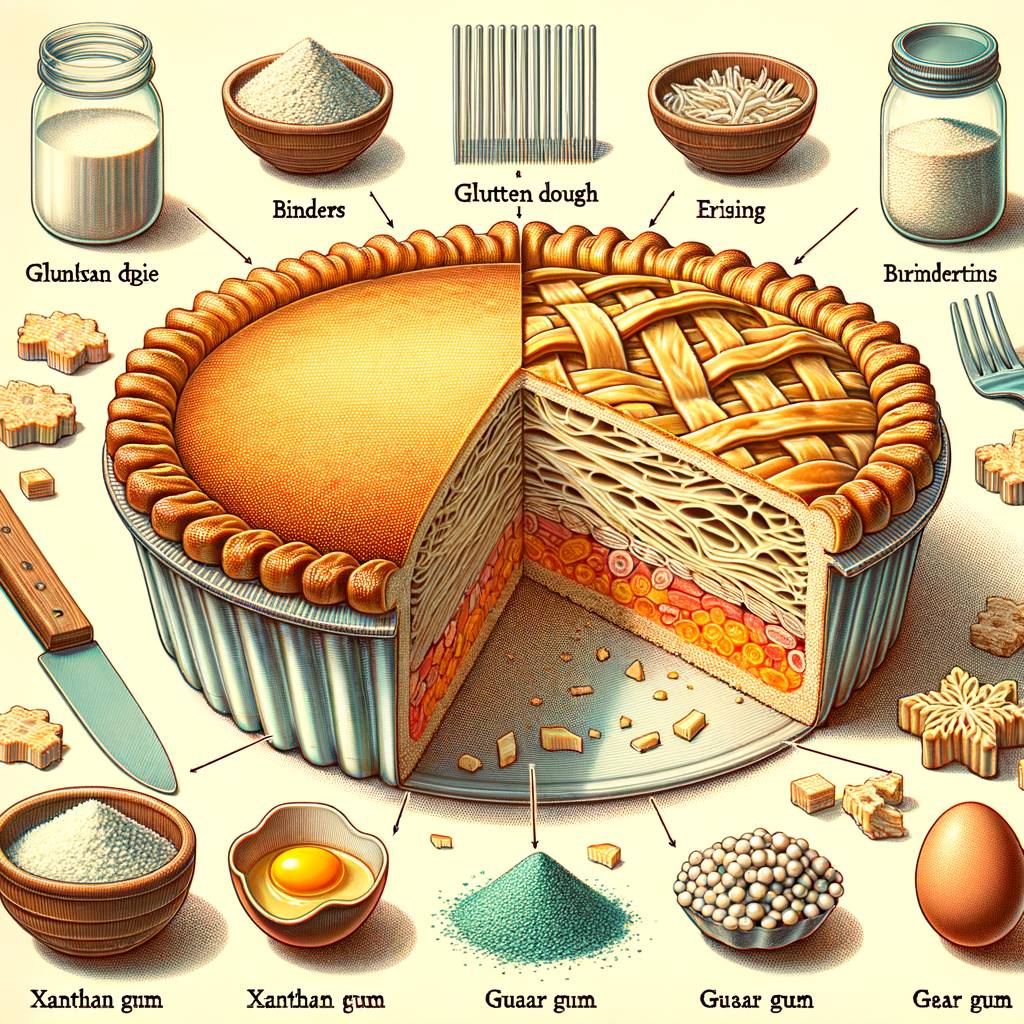
Gluten-free dough lacks the elasticity that gluten provides, making binders essential. These ingredients help hold the dough together:
- Xanthan Gum: A common binder that mimics the stretchy quality of gluten.
- Guar Gum: Another popular option that works well in cold applications like pie dough.
- Psyllium Husk: Adds fiber and acts as a natural binder.
These binders are critical for achieving a cohesive dough that won't crumble apart when rolled out or baked.
Tips for Achieving the Right Dough Consistency
The key to successful gluten-free pie dough lies in achieving the right consistency:
- Measure Ingredients Accurately: Use a kitchen scale for precision.
- Chill Ingredients: Cold butter and water help create a flaky texture.
- Don't Overwork the Dough: Handle it just enough to bring it together without making it tough.
By following these tips, you'll be on your way to crafting a delicious crust that's both tender and structurally sound.
Popular Gluten-Free Pie Dough Recipes
Several recipes have gained popularity among gluten-free bakers:
- Almond Flour Crust: A simple blend of almond flour, butter, and eggs creates a rich base perfect for fruit pies.
- Rice Flour Blend Crust: Combining rice flour with tapioca starch offers a versatile option suitable for various fillings.
These recipes provide reliable starting points for anyone looking to explore gluten-free baking.
Adapting Traditional Pie Recipes to Be Gluten-Free
Transforming traditional pie recipes into gluten-free versions involves more than just swapping out flours:
- Adjust liquid ratios as gluten-free flours may absorb differently.
- Experiment with different binders to find what works best with your chosen flour blend.
- Consider adding an extra egg or yolk to enhance binding and richness.
With some experimentation, you can enjoy all your favorite pies without compromising on taste or texture.
Troubleshooting Common Issues with Gluten-Free Pie Dough
Common challenges include crumbly dough or an overly dense crust. Here's how to address them:
- If the dough is too crumbly, try adding more liquid gradually until it holds together.
- For dense crusts, ensure you're not overworking the dough and consider adjusting your flour blend ratios.
Understanding these potential pitfalls will help you achieve consistent results every time.
Storing and Freezing Gluten-Free Pie Dough
Proper storage ensures your efforts don't go to waste:
- Wrap unused dough tightly in plastic wrap and refrigerate for up to three days.
- For longer storage, freeze the wrapped dough in an airtight container for up to three months.
Freezing can also enhance flavor development, making this an excellent option for planning ahead.
Comparing Store-Bought vs. Homemade Gluten-Free Pie Dough
The convenience of store-bought options like Bob's Red Mill or King Arthur Flour blends is tempting but comes at a cost:
| Aspect | Store-Bought | Homemade |
|---|---|---|
| Convenience | Ready-to-use | Requires preparation |
| Customization | Limited | Highly customizable |
| Cost | Generally higher | More economical |
While store-bought dough offers convenience, homemade versions allow greater control over ingredients and flavors tailored specifically to your tastes.